Shop for clothing made from eco-friendly materials
Engage in other forms of shopping, such as thrift shopping
Think of clothing as a need, rather than a want
We asked a sustainable fashion blogger and environmental advocate on the ways we can play our part to fight against this trend.
Firstly, we can be more conscious of where we are getting out clothes from, and the materials that they are made from.
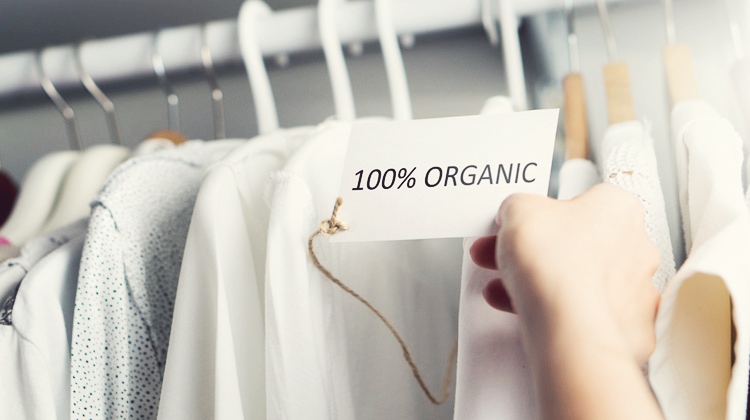
A good way is to shop for sustainable clothing, which are made from eco-friendly materials. One common and popular material used is organic cotton, which is grown without the usage of pesticides and fertilisers, and can be found in brands such as Thought Clothing and Beaumont Organic.
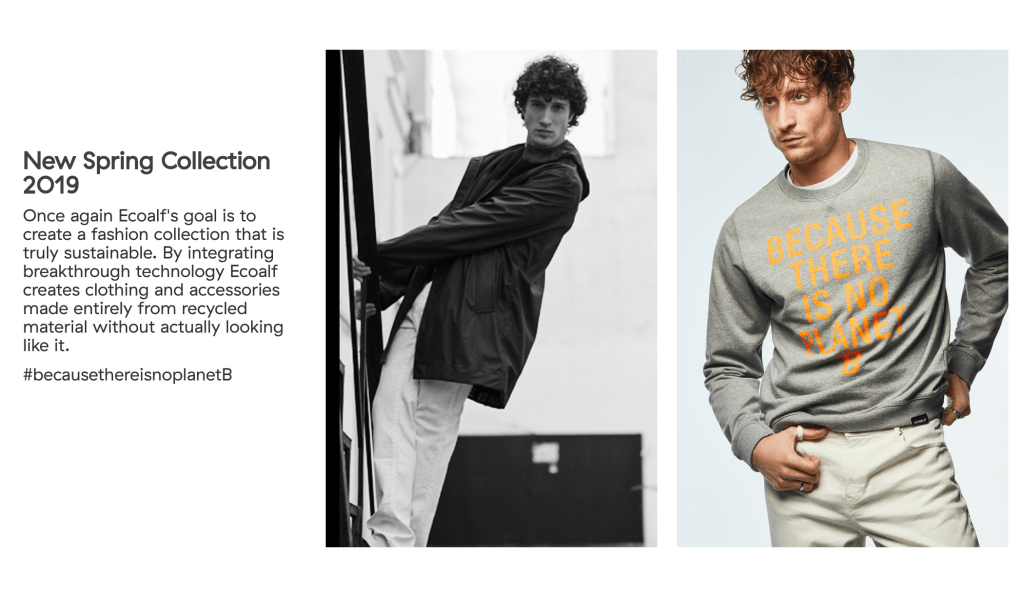
Other materials to look out for are hemp and bamboo, which are biodegradable and environmentally-friendly. Some brands such as Ecoalf go a step further into incorporating recycled denim and cashmere into their manufacturing processes.
Ecoalf’s clothing items are made from recycled materials
The
downside is that these clothing pieces usually cost more, and there is less
variety.
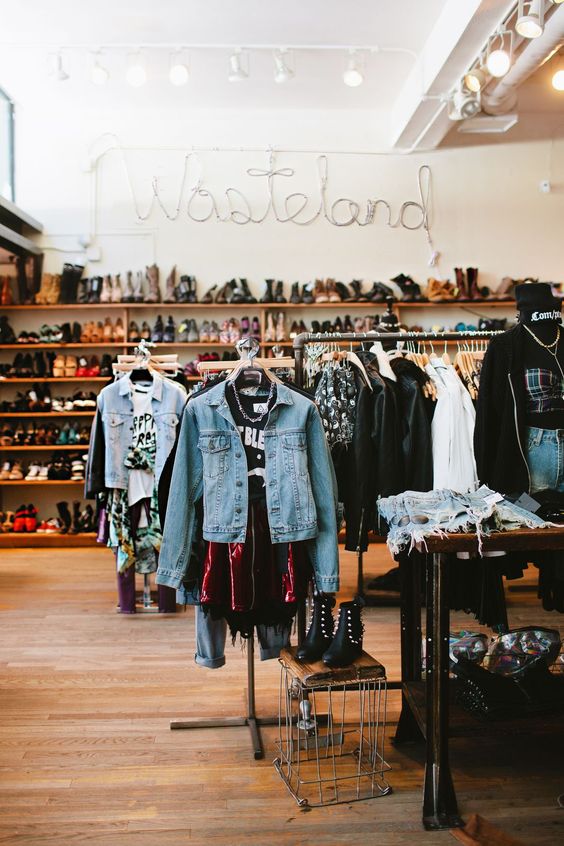
Alternatively, thrift shopping is a viable and more affordable option. Think of it as a way to ‘sell’ your clothing in exchange for a ‘new’ piece of clothing; at the same time pre-loved old clothes are able to receive a second life.
Lastly,
and ultimately, is to change our buying habits by reducing the amount of
clothes we buy. This is the most straightforward way that sends a clear message
to fast fashion retailers.
Blogger
and stylist Dana Frost suggests embracing the idea of slow fashion. “Supporting slow fashion
is more than just positively impacting the environment. It’s about making a
choice to choose quality over quantity, to choose longevity over trends.”
Cheryl
Nam, 23, who is an environmental advocate, advices: “Always ask yourself
whether you really need the clothing item, how often you’ll wear it and how
durable it is.”
She
adds: “Most of the time, it is just a want and never a need.”
Textile production produces 1.2 billion tonnes of carbon dioxide a year
Synthetic microfibers are drained into the sea
Social media is used as a tool to encourage fast fashion, fuelling a throwaway culture
We are constantly bombarded with advisories to recycle plastic bottles, reduce the usage of plastic bags, for the greater good of the environment. We believe that these are the culprits contributing to rampant pollution. But what if, the very things that we wear closest to skin are the main culprits contributing to air pollution and global warming? For the past few years, the fast fashion industry has grown drastically, and this has contributed to a massive 1.2 billion tonnes of carbon dioxide emissions produced by the textile industry.
Fast fashion refers to clothing designs that move from catwalk to stores quickly to capture the latest trends. Specifically, it refers to low cost knock-offs of high-end fashion trends that are delivered to customers every few weeks rather than every fashion season. The low cost and trendiness of clothing items encourage consumers to make hasty and frequent purchases.
While the manufacturing costs of these clothings are cheap, the environmental cost of these ‘buy-once, throw-away’ clothes comes at a heavy price. Textile production is a major contributor to climate change. According to the United Nations Climate Change, it produces an estimated 1.2 billion tonnes of carbon dioxide per year – more than international flights and maritime shipping combined.
The consequences of fast fashion are dire. When we wash our clothes, synthetic microfibers get dislodged in the wash. While some microfibers are removed by wastewater treatment, 40% of them get drained out into rivers and, eventually, the sea.
Fishes in the sea end up eating these synthetic fibres. In turn, as we eat those fishes, the microfibers end up in our body. As of now, the effects of this is still unknown. Either way, it pollutes the ecosystem, which may lead to dire consequences in the future.
This fast fashion trend shows no sign of stopping – and one of the main reasons behind it is the use of social media to promote fast fashion. Social media is fuelling a throwaway culture that is creating a large amount of fast fashion waste product, a new report shows.
A survey of 2,000 consumers by Censuswide has found that around 10% of people would throw away an item after they had been photographed in it online three times.
Charlotte Davies, a freelance fashion designer says, “We are always looking at what other people are doing, what they are wearing, where they are going. It is an inspiration board especially for the fashion industry.”
The 28-year-old, who shops monthly, added: “This watchfulness makes us feel self-conscious. Whenever I post a new photo on Instagram, I’m particularly aware of the outfit I’m in – I’d make sure the outfit isn’t repeated in other photos.”
22-year-old student Prissie Tan, who engages in online shopping weekly, said: “Fast fashion brands often have sales, and their prices can go as low as three pounds. I’m guilty of purchasing clothing items that I don’t really need or want – I just buy it because it’s so affordable.”
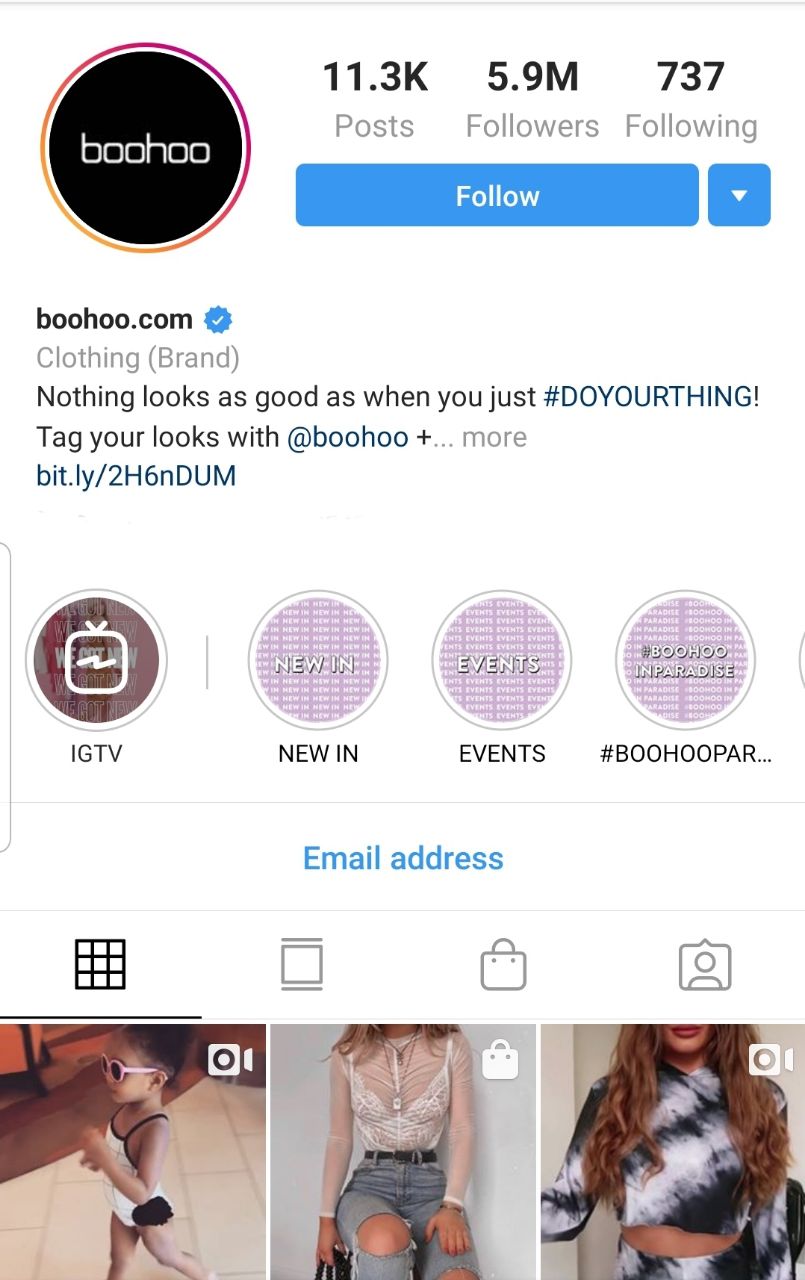
While consumers are trying to grapple with the sleigh of advertisements and perfect photos on social media, meanwhile, fast fashion companies such as Boohoo and Zara have efficiently harnessed the outreach of social media to reach out to more consumers.
With their vast amount of followers and partnership with influencers, brands are constantly promoting purchases.
With partnership deals with popular influencers that boast millions of followers, to advertisements that track the real time buying and search history of consumers, fast fashion companies are utilising social media as a tool to encourage consumers to buy, buy and buy all the time.



 The Social Fashion